How can you get this far in life and not know who you are and what you want to say?
I just have to get brave about letting people know about this blog, for one thing. Hello People!! Here I am!! LOL!!


So Cute!
See you next month!! :)
Proud of myself for not skipping the rest of the year, but I'm struggling to sort things out in my mind.
Going through a lot of emotions for several months and seem to be locked, tied in knots. Even the art therapy isn't helping me release...but only into it a few weeks, so I have hope. It helps to hear others finding their way to express what they want and where they want to be....
The art therapy I mentioned came across my FB feed offering an Art Retreat (online) with 3 days free, so that drew me in and there's a wonderful program run by a wonderful (qualified) art therapist, Leah Gutzman. "I support creatives with healing and manifesting their desires utilizing art media through art therapy services and coaching." Even if you don't feel you're an artist, this could be just what you need to become one!
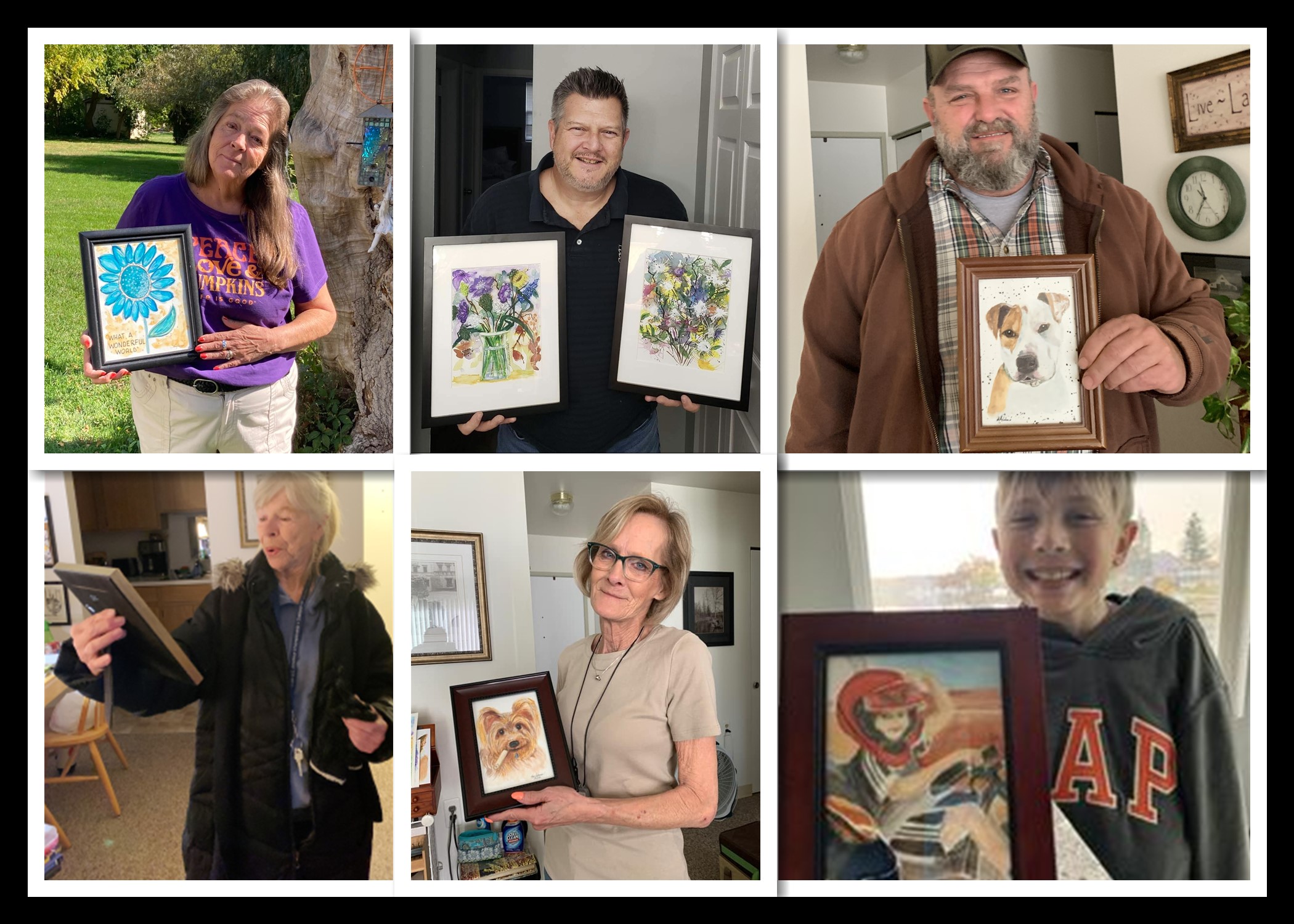
The art I'm doing in this program is not anything like doing pet portraits, which I've been doing for 4 yrs. :) In fact, it's hard to even recognize my art! For instance...
 to this
OMG, my last blog was in 2023?? What is wrong with me, LOL...why can't I keep up with this blog? There must be some deep-seeded reason why I avoid coming here, so what do you say we dig into it right now?! :)

Let's start at the beginning! I was born in April 1948, in Missouri! So yes, I'm a natural hillbilly and have lived 77 years on this earth!
I'm not going to make this a long introduction since we're here to figure out "what is wrong with me"! I will give you the first clue by saying most of my years (at least 50) were lived in chaos, to put it mildly.
The saying "kids learn what they live" is very true. I ended up reliving a LOT, but not all of the chaos that my mother created for my sister and me. For instance, she was married 5 times, but to only 3 men....married two of them twice. She divorced my father when I was 3 and I didn't see or hear from him until I was 18. Then connected with him again when I was 50....not much of the "father/daughter" thing I've always heard so much about. By the way, I only married and divorced twice. I decided to remain single since 1982.
Another good example of the chaos of my life...I never attended the same school for a full year until 10th grade because we moved so often, sometimes 3 schools in one year. I will say this...I certainly learned to make friends fast and could get along with anyone! I always looked at it as a benefit, although I didn't realize how the instability was causing internal trauma.
Fortunately I realized that I needed to make sense of why I was so unsettled, depressed and uncomfortable with my adult life even though I was outgoing, friendly and always cheerful to the outside world. I sought therapy on and off, read a lot of psychology books and finally hit one that gave me the answer:

Discusses the impact of growing up in a dysfunctional family, explains why codependents come to fear happiness, and offers advice on developing a more positive attitude towards life
So, this is how I figured out why I am like am...at least the beginning of figuring it out. And it really is the simplified version for the purpose of this blog!! I always have a difficult time going into details because I want to look forward, not relive my life. That's the same reason I don't write a book like many people (even my son) have suggested. If you're that interested, you can read the blog back from 2006. I also found out recently that my biggest problem--procrastination--is caused by the depression I've learned to live with. And now we're back to the original ??.
I keep busy taking care of my houseplants and doing my watercolor painting! I try to keep up with world news and with politics, go to lunch with friends, visit with the grandkids and generally lead a quiet, comfortable life. I'll add some photos to end this and hopefully will blog again before the year ends!!
Here's where I am now at 77...still single, living in a small senior apt., in a small town in Michigan near most of my kids and grandkids....my oldest son and his family (3 kids) live in TX. I spent 7 years living there with them before moving back to MI. I'm pretty sure I blogged during those years.


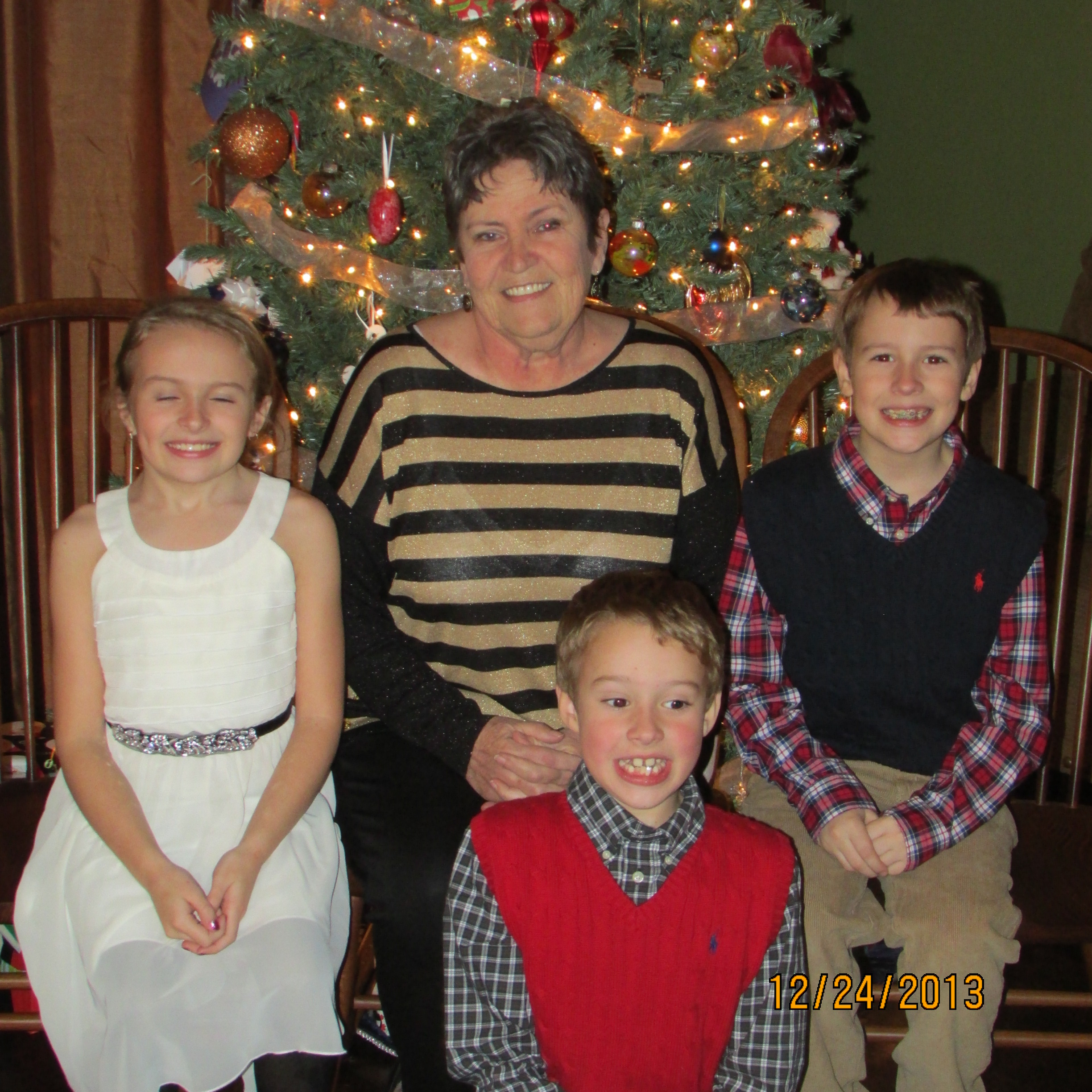
With my daughter and her family at granddaughter's b'day dinner this month.


I guess you'd say I'm not that into crowds! LOL! Fortunately, I have a good friend going with me and she used to work at the venue so I feel more confident! Plus it's outdoors so won't feel cooped up....it's really strange that this even came into my mind. I guess I will explore this further...

I've never once thought about feeling anxious about going somewhere, but I have to admit that I am. I think maybe it's a residual effect of the pandemic, at least partly so. The whole world was affected in one way or another and many of us became introverts and hermits from 2+ yrs of lockdowns and restrictions and changes to whatever was "normal" to each of us. So, with that and my age, I've become more introspective as well.

Maybe I will go to another one someday, but it would have to be someone like James Taylor to get me out there again! I don't really like dealing with crowds and traffic! :)
Forgot to mention my other hobby...watching trials on Law & Crime Network....fascinating! I remember watching the OJ trial way back when (Sep 26, 1994 – Oct 3, 1995), and then the most recent major trial of Derek Chauvin in 2021. There are some big ones coming up for the former president, but no telling when.
I am still hoping to get subscribers to chime in (or just READ) on my blog, but I am still holding back as far as promoting it and inviting people. Still hard to be totally transparent.
That's who reads this blog...or if anyone reads it, they don't leave comments. :( It's my own fault of course, since I am so irregular with my posts, but after this many years I will just keep on posting when the spirit hits me! I have invited members of my pages to come here, but I'm still cautious...don't know why I don't want certain people to read it.
 Here's something that made me smile just now when I realized I hadn't changed my wall calendar to July. Last Christmas I made calendars of some of my best photos to give as gifts and of course kept one for myself. I didn't realize that July's image was my ALL TIME favorite, as you can see here. :) I took that in 2012 on a nature trail that I walked every day and have a framed copy on my desk.
I really miss being able to walk on that trail, but I'm so fortunate that 11 yrs later I have a lovely place to walk just out the back door of my apartment building. I am not able to walk every day (depends on my arthritis), but when I do I am still able to enjoy nature. There's a creek, trees, ducks and geese (babies too) and a wooden bridge to cross over. This is where I get beautiful photos like this:

Actually, it is the anticipation of what kind of photos I might get that keeps me heading out for a walk, which is so important at my age! Great motivation!
 I've got two new paintings to do and just finished this one of a pet that has crossed over the bridge and have been commissioned to do another dog and a people portrait! I'm very comfortable now doing pets, but still quite anxious about humans!
So I will try once again to entice some viewers to my blog and hope to see some comments this month! :)
That's what I've been painting. Mostly dogs it seems....I've done a few florals and a great pair of workboots! That was a nice change and I'm very pleased with the result!

Anyway, I'm learning to have confidence in myself as well as not be so much of a perfectionist. Watercolor is mostly WATER and can't totally be controlled. That is the mystery, the challenge and the joy of this kind of painting! At least for me!
Now that I'm remembering to come here to post more often, I also feel better about this blog. :) I still haven't been inviting people over here because I feel like it's "all over the place" as far as having a direction and therefore something to help people WANT to come here to read what I have to say. I don't really like baring my soul online, but I sit and read other people when they pour out their deepest problems. I'm more likely to think about how well they write or spell. Guess I shouldn't so critical, but it's very distracting when you have to "correct" their use of certain words in your mind while you're trying to determine if you have anything to offer this person. Most of the time I just use an emoticon as my "opinion" and ever that is rare if the person has a lot of response already. I do hate to see someone make a nice post and then no one responds.
Same thing with this blog! I need to decide if I'm going to open it up or just use it as my own private "boo hoo" session or to brag on myself! :)
Anyway, I'm working on a family's 3 dogs at this point, plus trying to "re-do" the only painting that has come back for changes...from now on I will ALWAYS send a digital copy first before mailing the actual painting! :) I also have two darling cats to do as a trade for a birthday gift I'm putting together for my granddaughter! I will post all of that when finished with everything!
Here's my last commission and a very happy client! If you read this, let me know!


Years (like MANY years) ago I would get lost for hours writing in my journal. I kept a daily journal for 22 yrs...


In January 2020, joy came back to me after getting settled back in Michigan and my own apartment!